For a short New Orleans visit, plan around the neighborhoods and cultural stops you most want to see. Choose a convenient base and leave space between outings; that gives you more time to enjoy the city and less time crossing it. If you want to stay close to the French Quarter, you can check rates for this hotel a block off Bourbon Street.
Why Visit New Orleans?
New Orleans is a cultural treasure trove, and the reason its music and food feel so distinct from the rest of the American South traces back to its layered colonial history. The city passed between French and Spanish control before becoming part of the United States in 1803, and that mix of European cultures blended with West African traditions brought by enslaved people to create something genuinely new. Jazz itself is widely traced back to the Storyville district near the French Quarter in the early 1900s, where Creole musicians trained in formal European classical technique started mixing with Black musicians playing blues and ragtime by ear. Legendary names like Jelly Roll Morton and a young Louis Armstrong got their start in that scene before Storyville was shut down by the federal government in 1917, but the musical culture it created never left the city.
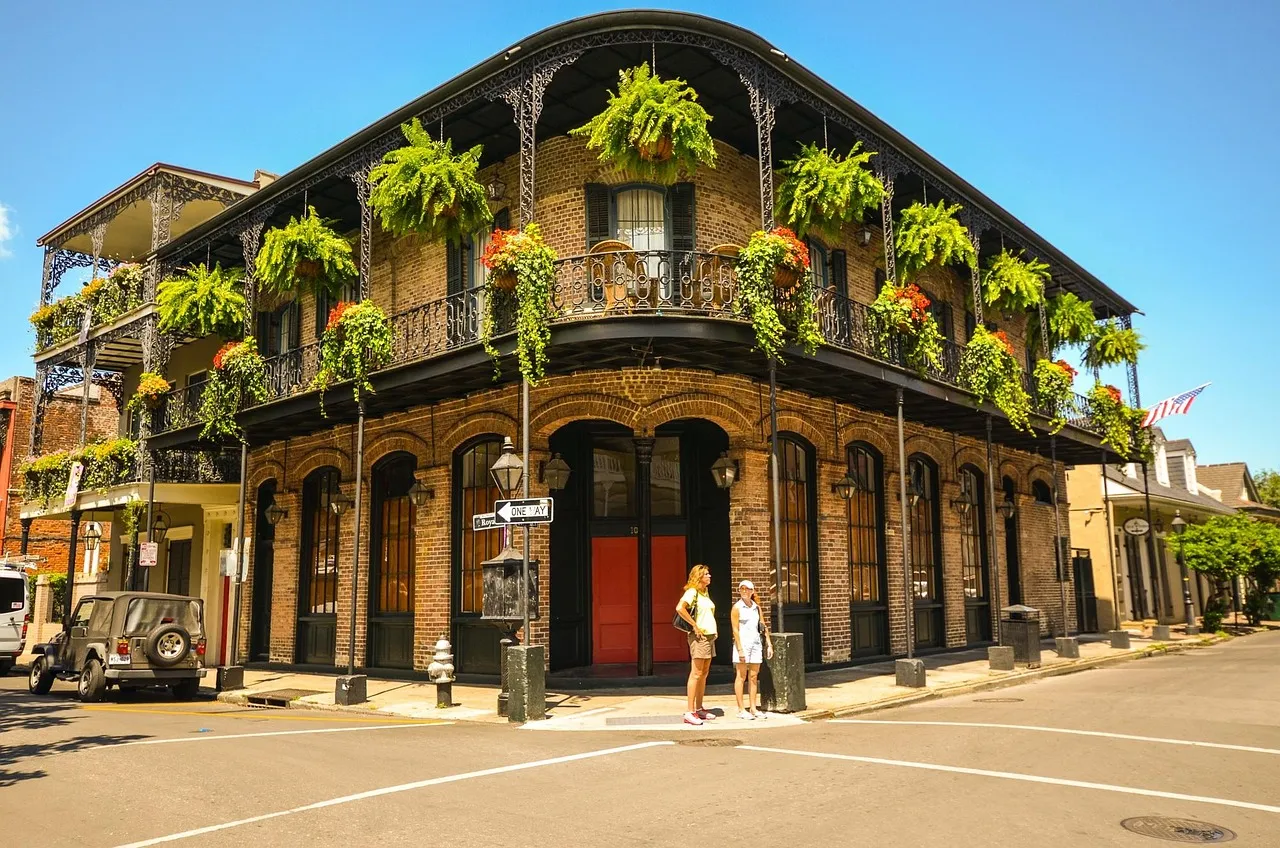
That history is still walkable today. The French Quarter streets buzz with live jazz from local musicians, descendants of that same Storyville-era tradition, and you can catch a show at Preservation Hall, one of the oldest venues still dedicated to keeping traditional New Orleans jazz alive. Jackson Square hosts artists and street performers in the shadow of St. Louis Cathedral, offering a peek at local creativity at no cost. The Garden District showcases stunning 19th-century homes built by the city's wealthy American sector after the Louisiana Purchase, a useful contrast to the older Creole architecture of the Quarter, and it's ideal for a self-guided walking tour.
Best Time to Travel
Spring (March-May) or fall (September-November) are ideal, with temperatures around 65-80°F and fewer crowds. New Orleans sits in a subtropical climate zone right on the Gulf of Mexico, which means summer brings both serious heat and the start of hurricane season, so timing matters more here than in a lot of other quick-getaway destinations. These shoulder seasons also bring festivals like French Quarter Fest (April), where you can enjoy free music and food samples from the same culinary tradition that put the city on the map. Avoid peak summer heat and holiday rushes for the best deals, and keep in mind that Mardi Gras season (February or early March, depending on the year) drives both prices and crowds up significantly even though it's one of the most famous reasons to visit.
Best Way to Get There
Flying is the most efficient option. Compare flights to Louis Armstrong New Orleans International Airport (MSY) for your dates, including baggage and airport-transfer costs. The airport sits about 20 minutes from downtown, so even with a short layover-free flight, you can realistically be on Bourbon Street within an hour of landing. Driving works if you're within 500 miles, gas and tolls might total $50-80 round-trip, and it gives you the flexibility to combine the trip with stops in the broader Gulf South if you have the extra time.
Where to Stay
Stay in or near the French Quarter and you can walk to almost everything on this list. A few solid picks for a short trip:
- Hotel St. Marie sits a block off Bourbon Street and runs $150-$220 a night, with a small courtyard pool that's a nice break from the heat.
- Holiday Inn French Quarter is a reliable mid-range option at $130-$180 a night, an easy walk to Jackson Square.
- Drury Plaza Hotel New Orleans outside the Quarter offers free breakfast and a quieter base for $110-$160 a night, with the streetcar putting you downtown in minutes.
Check a French Quarter hotel option
As you compare hotels, look at the location, room type, fees, and cancellation terms for your dates.
Where to Eat and Drink
New Orleans dining covers everything from $5 street food to a proper splurge dinner.
- Value pick: A po'boy from Parkway Bakery runs $5-$8 and is a meal in itself.
- Casual classic: Café du Monde for beignets and chicory coffee, usually under $10 for both.
- Worth the wait: Mother's Restaurant for Creole comfort food in the $15-$25 range.
- The splurge: Commander's Palace in the Garden District for a proper Creole fine-dining experience, typically $60-$100 a person with drinks.
Travel Tips
- Walk or Use Streetcars: A streetcar ride (around $1-$2) covers key spots like the French Quarter - cheaper than taxis.
- Free Museums: Visit the New Orleans Jazz Museum on certain days for no admission.
- Evening Strolls: Explore Bourbon Street after dark for music, avoiding daytime cover charges.
- Cash Ready: Small vendors prefer cash - carry small bills for tips and snacks.
Packing Tips
- Light Clothes: Pack breathable shirts for warm days, plus a light jacket for cool evenings.
- Comfortable Shoes: Bring walking shoes for cobblestone streets and long tours.
- Rain Gear: A $8-$15 poncho handles sudden showers, common in spring and fall.
- Day Bag: A foldable backpack holds souvenirs or a water bottle without extra cost.
- Sunscreen: A small tube protects your skin during outdoor festival walks.
Let the Good Times Roll
New Orleans packs an unusual amount of culture, food, and music into a short trip. Stick close to the French Quarter, lean on the streetcars, and you can cover the highlights without ever feeling rushed or overspending.
Looking for more quick city getaways? Browse The Pool Deck for more hotel and city guides.
Compare airfare for your dates
As you compare flights to New Orleans, include baggage costs so you can see what you will actually pay.
This article contains affiliate links. If you book through them, The Trip Deck may earn a commission at no extra cost to you. See our Affiliate Disclosure Policy.