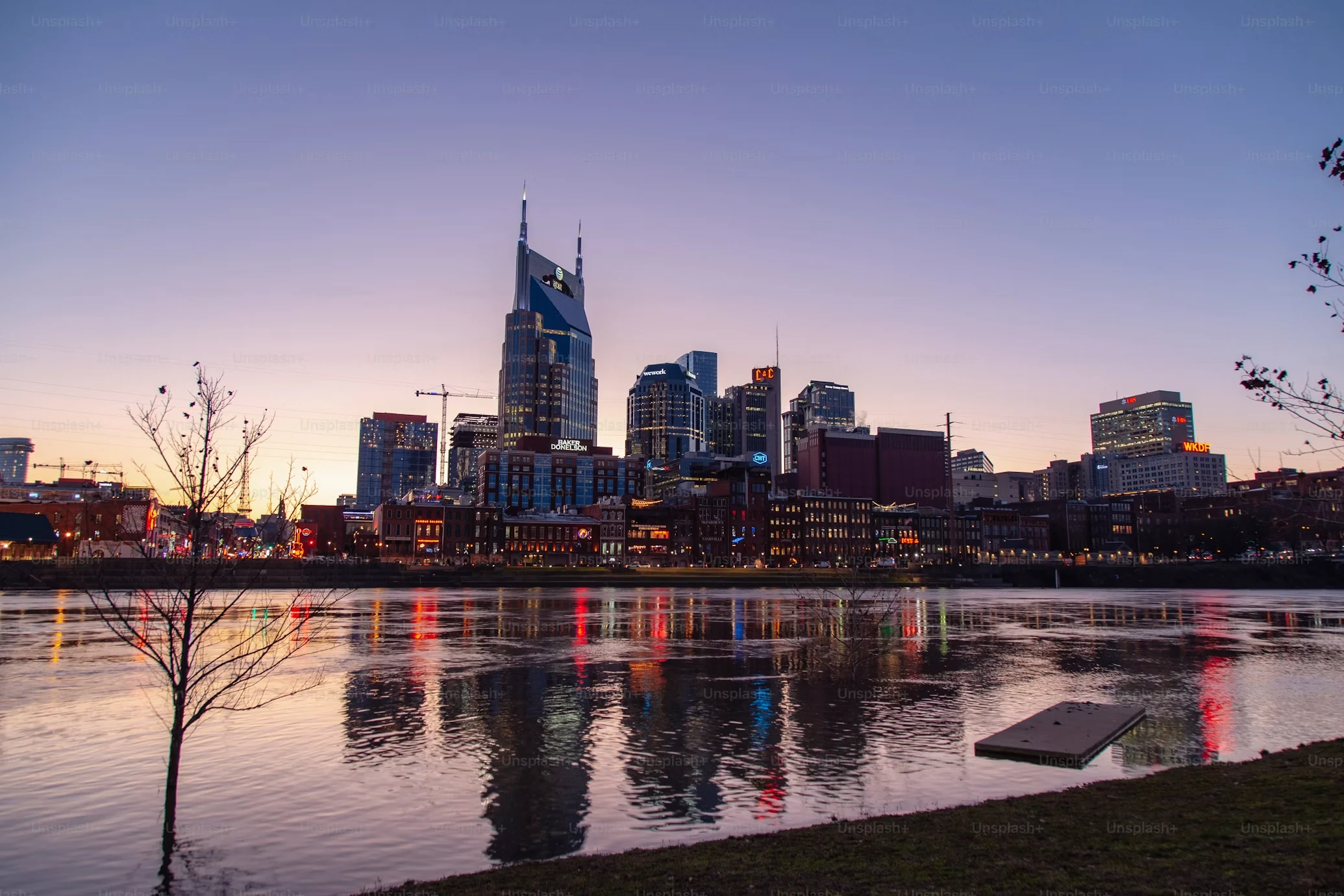
Nashville has a reputation for bachelorette parties and neon cowboy boots, and if you've only seen photos of Lower Broadway on a Saturday night, that impression is understandable. But the Nashville that's worth three or four days of your vacation time is considerably more interesting than the party-in-a-hat version that dominates social media. It's a city that has grown faster than almost any other in the United States over the past decade, and that growth has brought world-class restaurants, a genuinely thriving arts scene, and neighborhoods worth exploring that have nothing to do with the honky-tonks.
That said, the honky-tonks are worth at least one night. Lower Broadway -- the neon-lit stretch of live music venues running down toward the Cumberland River -- is one of the most concentrated blocks of free live music anywhere in the country, and experiencing it is part of understanding what Nashville actually is. The city sits at the intersection of country music's commercial heart, Americana's creative soul, and a new wave of Southern food culture that has been quietly building since the early 2010s. A long weekend here rewards people who come curious rather than just ready to party, though the two approaches are not mutually exclusive.
The Best Time to Visit
Nashville's climate is mid-South continental: hot and humid summers, mild winters, and two distinct shoulder seasons that are genuinely lovely. The best windows for a long weekend are late September through early November, and mid-April through late May. Fall in Nashville is particularly good -- temperatures in the 60s and low 70s, the city is still fully open and active, and the crowds that arrive for summer heat and CMA Fest have thinned. Spring brings flowering dogwoods and redbuds throughout Centennial Park and the surrounding neighborhoods, and hotel rates before Memorial Day tend to be more favorable than peak summer.
Summer (June through August) is Nashville's busiest season, driven in large part by CMA Fest in June, which draws tens of thousands of country music fans and pushes hotel rates to their annual peak. If you're going in summer and not specifically there for CMA Fest, plan carefully -- rates can run $80-$150 higher per night than shoulder season, and Lower Broadway is genuinely packed. That said, summer evenings in Nashville have their own energy, and if heat doesn't bother you, there are worse places to spend a July weekend.
Winter is Nashville's off-season and its best-kept secret for value travelers. January and February bring rates that can be 30-50% below peak, the restaurants are excellent year-round, and the honky-tonks don't care what season it is -- they play 365 days a year.
Getting There
Nashville International Airport (BNA) is one of the most efficiently sized major airports in the country -- big enough to have nonstop service from most US hub cities, small enough that you're usually out of the terminal and in a rideshare within 20 minutes of landing. Direct flights connect BNA to virtually every major US city, and the routes from the Northeast, Southeast, and Midwest are typically competitive on price. From New York, Boston, or Chicago, you can usually find nonstop flights in the $160-$320 range round-trip if you book 4-6 weeks ahead. From the West Coast, flights are a bit longer (4-5 hours nonstop) and tend to run $220-$400 round-trip, with nonstop service from Los Angeles, San Francisco, and Seattle available on multiple carriers.
The airport sits about 8 miles east of downtown, and a rideshare to Lower Broadway or the Gulch typically runs $25-$38 depending on traffic and time of day. There's no direct rail connection between BNA and downtown, so a rideshare or a taxi are practical options unless you have a rental car. Speaking of rental cars: Nashville is a city where having a car makes some things easier but is by no means required, especially if you're planning to spend significant time in the walkable core neighborhoods of downtown, the Gulch, and 12 South. Parking downtown during evenings and weekends can run $15-$30, so factor that into your thinking if you're debating the car rental question.
Where to Stay
Where you base yourself in Nashville shapes the daily rhythm of the trip. Downtown puts you within walking distance of Lower Broadway and the major music venues, but the area is loud on weekend nights in a way that not everyone finds easy to sleep through. The Gulch, just south of downtown, has grown into a walkable neighborhood with good restaurants and a slightly quieter nighttime feel while still being close enough to walk to Broadway in 15 minutes. The Wedgewood-Houston (WeHo) area and 12 South neighborhood offer a more local, residential-feeling base if you want to be in a place that feels like Nashville actually lives rather than Nashville as it performs for tourists.
- Thompson Nashville in the Gulch is the standout mid-to-upscale choice for a first-time visit. The hotel has excellent design sensibility, a rooftop bar (L.A. Jackson) with views of the downtown skyline that are worth experiencing even if you're not staying there, and a location that puts you close to everything without being directly on top of the Lower Broadway chaos. Rates typically run $220-$360 a night depending on season, and the quality of the stay justifies the premium for most travelers.
- Fairlane Hotel on 8th Avenue is a boutique property that opened in a converted 1960s office building and has a distinct personality -- record collections in rooms, a cocktail bar focused on Tennessee whiskey, and rates that run $170-$260 a night. It's a genuinely Nashville-specific hotel, not a chain, and it feels like it.
- Drury Plaza Hotel Nashville Downtown is the value-minded pick. Drury's standard inclusions -- hot breakfast and evening drinks with food included in the rate -- push the real value of a $140-$200 nightly rate considerably higher once you factor in what you're not spending at a restaurant for breakfast each morning. The location on Commerce Street puts you two blocks from Broadway and within walking distance of the main attractions.
What to Do
Three to four days is the right amount of time to see the parts of Nashville that matter without feeling rushed. The city's best experiences don't require military-precision scheduling -- part of the pleasure is letting the day unfold and following what's interesting.
Day 1: Lower Broadway and the Music History. Start at the Country Music Hall of Fame and Museum on Fifth Avenue. This is not the kind of institution you can skim -- it's genuinely one of the best music museums in the country, with a collection that traces the roots of American country, gospel, and folk music through artifacts, recordings, and exhibits that feel thoughtfully curated rather than just assembled. Admission runs $28-$32 for adults, and budget at least two hours. From there, walk a few blocks to the Ryman Auditorium, the original home of the Grand Ole Opry from 1943 to 1974. Self-guided tours run about $25 and let you stand on the stage where Hank Williams, Patsy Cline, and Johnny Cash performed. The acoustic wood interior is genuinely beautiful, and the history of the building -- originally built in 1892 as a gospel tabernacle -- is more interesting than most visitors expect. Then spend the evening on Lower Broadway itself. Pick two or three honky-tonks, order a cheap beer, and listen to bands that are playing for tips and playing well. Robert's Western World and Tootsie's Orchid Lounge are the classics; both are free to enter, both have live music going well into the night.
Day 2: 12 South, Gulch, and East Nashville. Start with coffee and breakfast in the 12 South neighborhood, which runs along 12th Avenue South between Linden and Halcyon. This is the kind of street that rewards slow walking -- local boutiques, vintage shops, good brunch spots, and the famous "I Believe in Nashville" mural that has become one of the city's most photographed spots. From 12 South, make your way to East Nashville, which sits across the Cumberland River and has developed over the past decade into one of the most genuinely interesting neighborhoods in any Southern city. Five Points at the intersection of Woodland, Greenwood, and 11th Street is the heart of it -- record stores, craft breweries, independent restaurants, and a street art presence that signals the neighborhood's ongoing creative identity. Brunch or lunch in East Nashville before the afternoon is a solid plan; the density of quality options per block is high.
Day 3: Centennial Park, the Gulch, and Live Music. Centennial Park, a few miles west of downtown near Vanderbilt University, is home to Nashville's full-scale replica of the Parthenon -- the original was built for Tennessee's 1897 centennial exposition and then rebuilt permanently in 1931. It sounds like a novelty but it's actually an impressive structure, particularly the interior, which houses a 42-foot statue of Athena and a small art museum. Admission is $10-$15. The park itself is free and makes for a good morning walk before the city gets busy. In the afternoon, walk the Gulch neighborhood and look at the street art installations, particularly around 11th Avenue and Pine Street, where a cluster of large-scale murals has developed. In the evening, check what's playing at the Ryman or at Nashville's other serious music venues -- Bluebird Cafe in Green Hills is the legendary songwriter showcase (reservations are strongly recommended, often weeks in advance), and the Station Inn near the Gulch is the best bluegrass venue in the city.
Day 4: Brunch and a Slow Morning. Use your last morning at a pace that feels right. The Nashville Farmers Market near the Bicentennial Capitol Mall State Park is open year-round and combines a produce market with a permanent food hall of local vendors. It's a good spot for a casual last morning, and the outdoor space in good weather is genuinely pleasant. The Bicentennial Capitol Mall itself stretches north from the Tennessee State Capitol building and includes a 200-foot granite map of Tennessee with county lines and geographic features inlaid in stone -- an unusual and worthwhile 20-minute stop that most visitors skip entirely.
Where to Eat and Drink
Nashville's food scene has undergone a genuine transformation over the past decade, and the city now punches significantly above its weight for a metro area its size. There are a few categories worth understanding before you start making reservations.
- The essential Nashville experience: Hot chicken. Prince's Hot Chicken Shack on Dickerson Pike is the original, founded in the 1940s, and the experience of eating your first "extra hot" plate on white bread with pickle chips is genuinely like nothing else. Budget $12-$18 for a meal, expect a modest room and a wait, and understand that "extra hot" is not hyperbole -- work up to it. Hattie B's has multiple Nashville locations if you want something a bit more polished, with similar heat-level options and slightly faster service.
- Breakfast or brunch: Biscuit Love in the Gulch does Southern breakfast with genuine craft -- the "Bonuts" (fried biscuit dough with lemon mascarpone and blueberry compote) are the standout item and worth the line. Budget $14-$22 per person. The Benedict options rotate seasonally and are reliably good.
- A proper dinner: Josephine on 21st Avenue South is a neighborhood restaurant that doesn't try to be anything other than excellent. The menu changes with the seasons, the wine list is thoughtful, and the room is the kind of place where the conversation feels easier after the first glass. Expect to spend $45-$70 per person with drinks. Reservations are worth making a week ahead.
- Cocktails and Tennessee whiskey: The Patterson House on Division Street is Nashville's best cocktail bar, period. The menu is long, the bartenders know what they're doing, and the dark, intimate room feels like it was designed for a long, slow evening. Cocktails run $14-$18. Whiskey enthusiasts should also carve out time for a pour at Gray's on Main in Franklin, a 30-minute drive south, which offers one of the most impressive Tennessee whiskey selections in the state.
- The value dinner: Las Paletas on 12th Avenue South is a Mexican popsicle and snack shop that makes for an inexpensive and thoroughly enjoyable afternoon stop ($4-$8), but for a full value dinner, head to Arnold's Country Kitchen on 8th Avenue -- a meat-and-three cafeteria that has been serving Nashville since 1983, charges around $13-$18 for a full plate, and operates in the Southern tradition with zero pretense and maximum flavor.
Practical Tips and Getting Around
Nashville's downtown core is walkable, but the city's interesting neighborhoods are spread out enough that you'll want a plan for getting between them. Rideshare is reliable, widely available, and the primary way most visitors move around -- expect $8-$18 for most in-city trips between neighborhoods. The WeGo public bus system connects most neighborhoods but requires patience and planning; it works well for getting to Centennial Park or the Farmers Market from downtown but isn't the fastest option for most tourist-oriented itineraries.
A few things worth knowing before you go:
- The John Seigenthaler Pedestrian Bridge over the Cumberland River is one of the longest pedestrian bridges in the US and is free to walk. It connects downtown directly to East Nashville and is worth doing at least once for the skyline view, particularly at dusk.
- Lower Broadway's live music is entirely free to enter the bars. The musicians play for tips, and leaving $5-$10 per set is the right thing to do and widely expected. It's a remarkably generous system when you think about what you're getting.
- The Bluebird Cafe's songwriter nights are how Nashville's original songs get heard before they become hits. The venue is small (capacity around 90), the reservation system fills up fast, and the experience of hearing a song's writer explain what it's about before performing it is unlike any other live music format. Plan well ahead.
- Nashville does not have a shortage of bars, but it does have specific closing hours. Tennessee law requires alcohol sales to stop at 3am, which is later than many states, which is part of why the Broadway honky-tonk scene runs as long as it does.
- If you're renting a car, the standard Nashville highway system is notoriously congested during rush hours (7-9am and 4-7pm on weekdays). Plan accordingly, or plan to be somewhere stationary during those windows.
Level Up
Nashville has a range of genuinely excellent upgrade options that are worth considering if this trip has room for one splurge.
On the hotel side, 1 Hotel Nashville in the Gulch is the city's most design-forward luxury property, with a sustainability-focused aesthetic, a rooftop pool with downtown views, and a restaurant (Harriet's) that is one of the best hotel dining rooms in the city. Rates start around $350-$550 a night, and the overall experience -- the room quality, the service, the building's distinctive look -- justifies the premium for a special occasion stay. If you want to go further, The Joseph on Fifth Avenue is a Forbes Five-Star hotel inside the former Merchants Hotel building, with rates from $450-$750 a night. It's the kind of property where the difference between staying there and visiting is immediately obvious.
Once you know your dates, see current Nashville hotel rates.
For experiences, a private tour of RCA Studio B in the Music Row neighborhood is available through the Country Music Hall of Fame and runs about $55 per person. It's the studio where Elvis Presley, Dolly Parton, and Chet Atkins recorded, and it operates in nearly original condition -- hearing the history of the room while standing in it is a genuinely affecting experience for anyone with any interest in American music.
Compare Nashville tour options
Before you book a Nashville tour, check the current options and confirm the venue schedule.
On the flight side, Nashville is close enough to most Midwest and Southeast cities that premium cabin flights are a tougher value proposition for the duration. But from the West Coast or the Northeast, if you're flying in a 5-plus-hour routing, a premium economy or business class seat makes the travel day considerably more comfortable and can be worth it as a trip-starter, particularly if you're using miles to offset the cost difference.
Stack the Deck
Nashville is a strong destination for hotel points, particularly if you're booking midweek when award availability at major chain properties tends to be higher. The city has a solid spread of full-service properties from all the major hotel programs, and a 3-night stay at a mid-range downtown or Gulch property often falls within a redemption range that doesn't require an enormous points balance to reach. If you've been accumulating hotel points without a specific use in mind, a Nashville trip is exactly the kind of redemption that makes sense -- you get solid value on the room, and the city's food and entertainment spending (which points can't cover as easily) is reasonable enough that you're not substituting a cheap hotel for expensive experiences.
Transferable credit card points give you the most flexibility here, since you can direct them toward whichever hotel or airline program has the best availability for your specific dates. Nashville's peak seasons (June for CMA Fest, October during fall foliage) correspond to the times when paying cash hurts most -- which is also when redeeming points shows the best value. If your points balance isn't large enough to cover the full stay, covering two of three nights on points and paying cash for the third still cuts the lodging cost meaningfully. For guidance on which cards are worth holding for this kind of flexibility, our travel credit cards guide covers the options worth considering.
Where Music City Leads You Next
Nashville's nickname has been around since the 1950s, when the city's recording industry was becoming the center of gravity for American country music. But the name fits differently now than it did then -- the music is still here and it's still the reason the city carries a particular gravity in American culture, but Nashville has grown into something that rewards visitors who come looking for more than just a soundtrack. The food, the neighborhoods, the history woven into the architecture, and the pace of a city that's still figuring out who it wants to be as it grows -- all of it makes for a trip that holds up long after you've caught your return flight home.
For more quick getaway ideas and city guides, browse The Pool Deck, or check out our guides to a long weekend in Miami and the cultural side of New Orleans for more Southern US inspiration.
Compare airfare for your dates
When you compare flights to Nashville, look at arrival times too so you can make the most of your first day.
This article contains affiliate links. If you book through them, The Trip Deck may earn a commission at no extra cost to you. See our Affiliate Disclosure Policy.

