
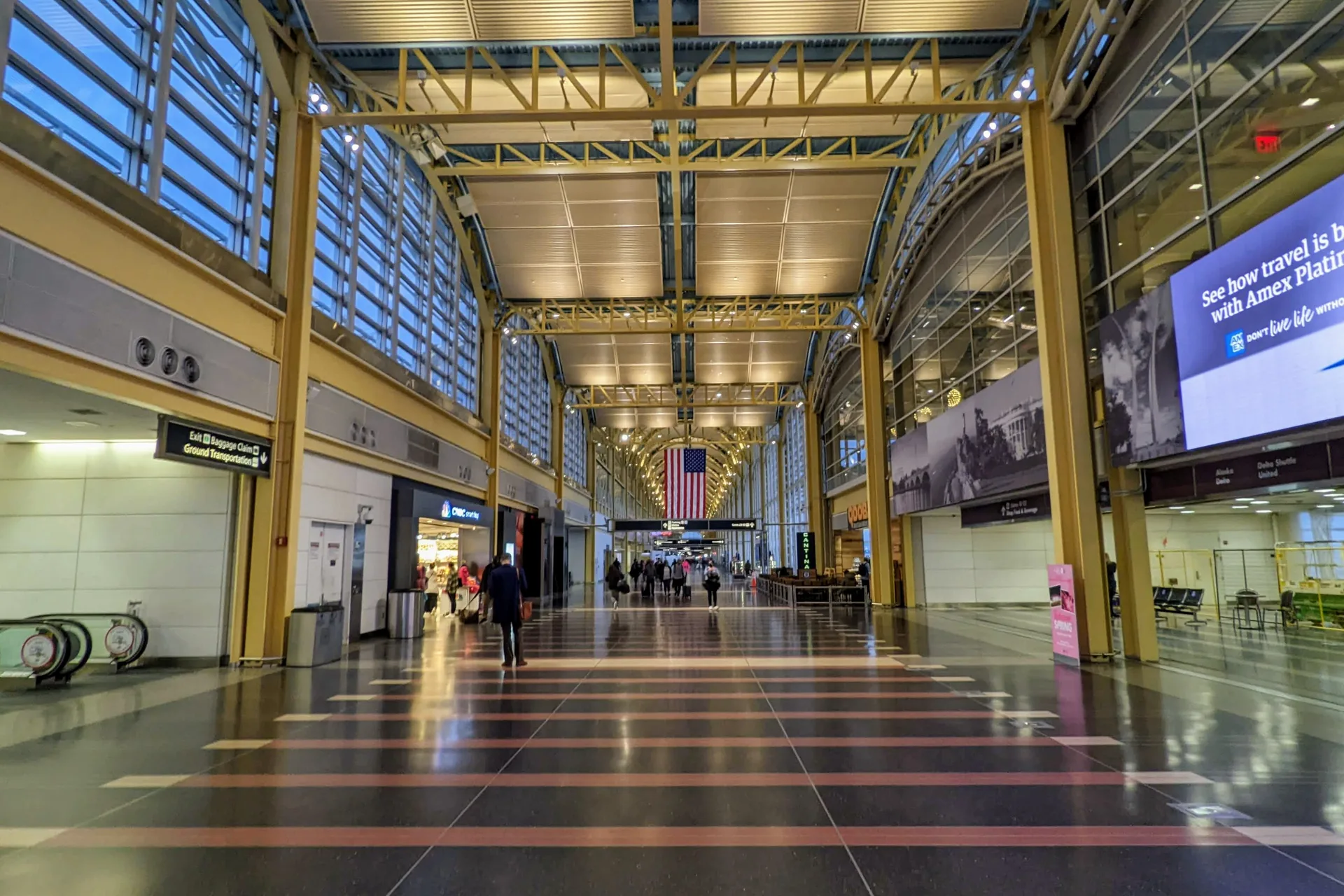
For a three- or four-day family trip centered on Washington's museums and monuments, I'd start with a well-timed nonstop into Reagan National (DCA). Its Metro connection gets you into the city with little ceremony. Pay attention to Dulles (IAD) when it has the better nonstop, a much better arrival hour, or a hotel in Northern Virginia. DCA's convenience can justify a higher fare, but only after you price the whole family's trip.
The airport code is only the first line of the comparison. A Friday landing that reaches your hotel before dinner can be more valuable than a cheaper flight that leaves everyone tired at the far end of the Silver Line. On the other hand, forcing a connection just to land at DCA squanders the very time you hoped to save. Use the flight schedule, hotel address, bags, and return flight together.
Start with the nonstop your family can actually take
DCA has substantial domestic reach, including nonstops from cities such as Chicago, Atlanta, Boston, Dallas, Minneapolis, and Los Angeles. It is still shaped by a federal perimeter rule, with exceptions for selected longer routes. IAD serves more long-distance and international markets, as well as many domestic origins. The airports' DCA nonstop list and IAD nonstop list are useful starting points, but check the flight on your particular Friday and Monday or Tuesday.
A nonstop into IAD usually beats a connection into DCA. You avoid the second boarding, a missed-connection risk, and another stretch of waiting with children. When both airports have a nonstop, give the arrival and departure hours more weight than their map distance. A flight that lands late on Friday can turn a three-night stay into two useful days, wherever it lands.
Count the journey from gate to hotel
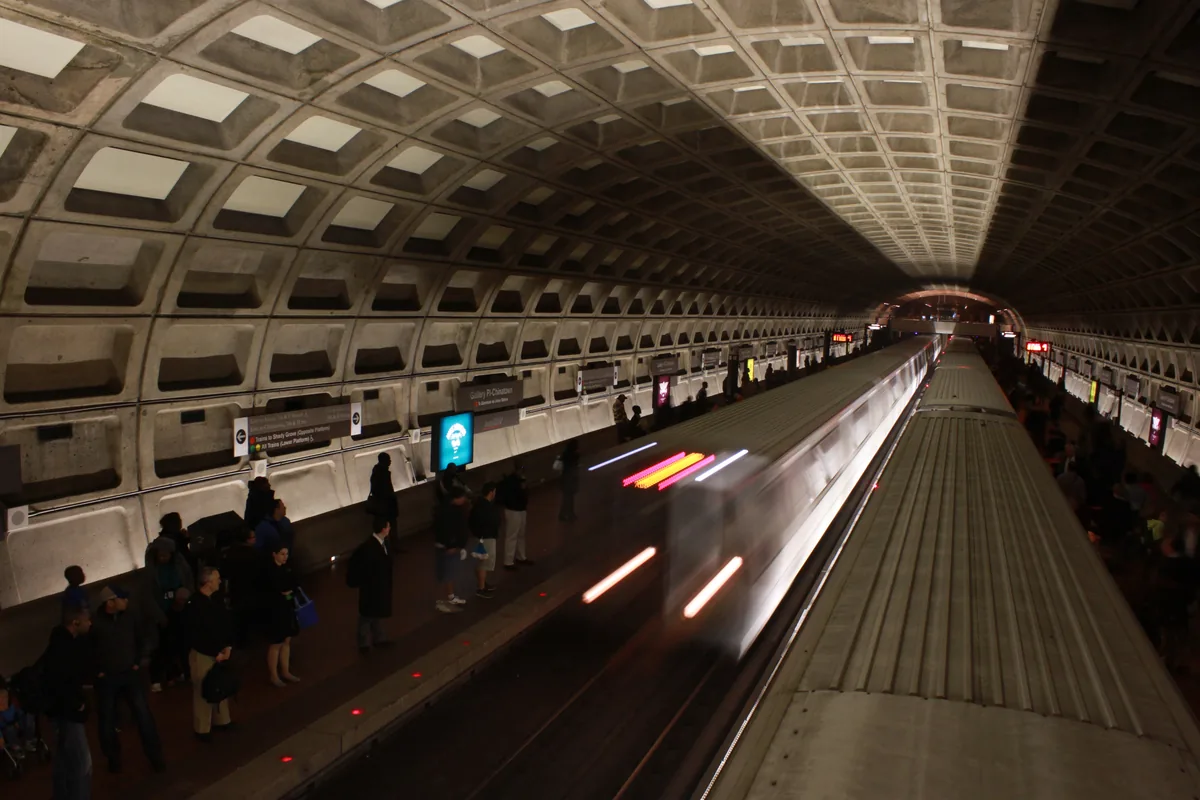
At DCA, the Yellow and Blue Lines meet the airport. Terminal 2 connects to the station by covered walkways. From Terminal 1, the airport directs travelers to its shuttle for the station connection, so do not treat every DCA arrival as the same walk. For a hotel near L'Enfant Plaza or another central Metro stop, you can often ride in without a car. The train also avoids the uncertainty of a road trip across the Potomac at a busy hour.
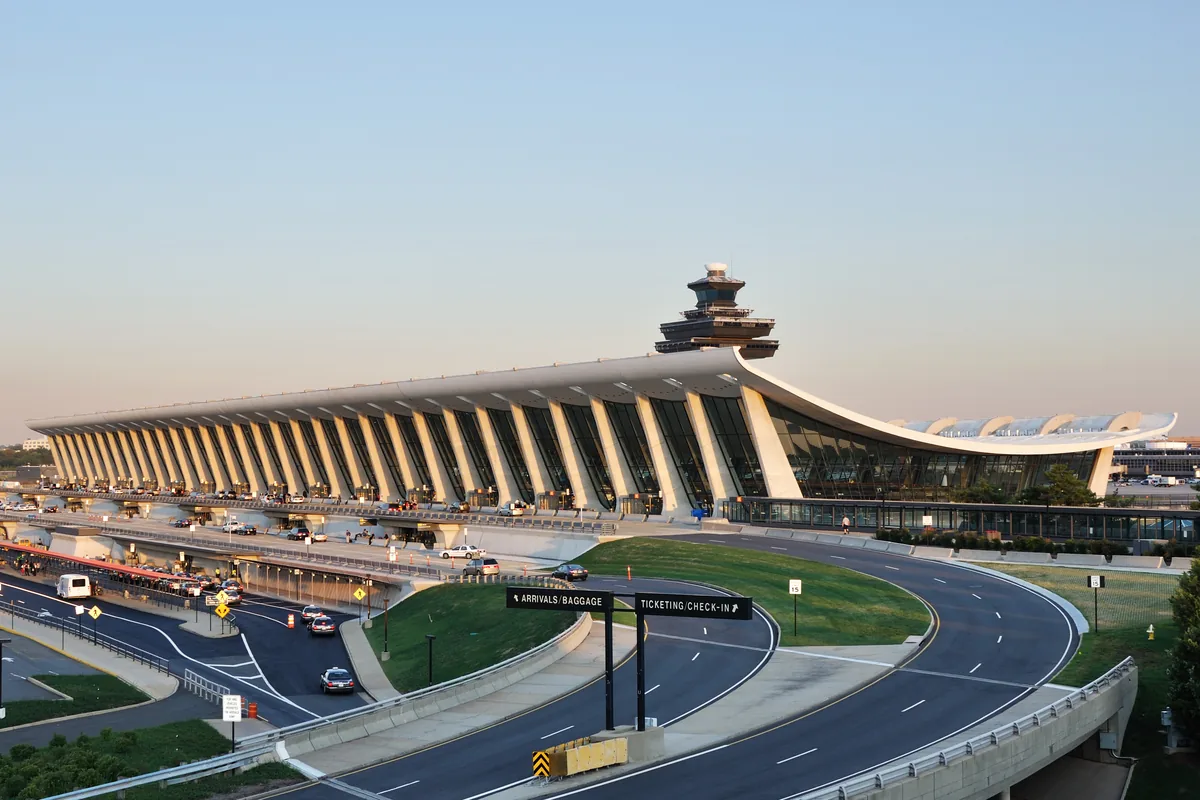
IAD's Silver Line station is linked to the main terminal by an indoor walkway. Metro describes that walk as about seven to eight minutes. From there the train travels through Northern Virginia before reaching central Washington. The airport's guide estimates about 50 to 55 minutes just to Rosslyn; a downtown stop, station exit, and walk to the hotel add more. At either airport, checked bags and the path from the gate come before the train ride in your real arrival time.
For a simple downtown example, picture a Friday arrival with a hotel near Metro Center. DCA's shorter rail approach may hand back roughly an hour across the arrival and return journeys, sometimes more if IAD's gate or baggage process is slow. That is planning arithmetic, not a guaranteed timetable. A family staying near Reston or Tysons may get the opposite result: IAD's Silver Line and nearby roads avoid hauling everyone into DC only to turn around.
Decide whether the closer airport earns its airfare
Compare the full fare for every traveler, with the bags and seat choices your family would actually buy. Then put both itineraries on one line: home departure, DC landing, likely hotel arrival, and the time you must leave the hotel on the last day. If DCA costs more but gives you an unhurried Friday dinner and an easier departure, I would pay a reasonable premium for a downtown weekend. If the premium is large across four tickets, or IAD has an earlier nonstop, use IAD and plan its transfer honestly.
Rail fares rarely settle this choice by themselves. Metro's current system range is $2.25 to $6.75 on weekdays, and the Dulles airport guide lists $6.75 for a weekday trip to Metro Center. Compare the live fare for your exact stations and time. A car is a different calculation: it may feel easier with a stroller or several bags, but traffic and the pickup queue can erase the apparent time advantage. Check whether your hotel is one short walk from a station before paying for a ride.
When flights and the hotel are both open decisions, compare flight and hotel options for your dates. Hold the neighborhood and room type steady as you switch airports. That shows whether a cheaper IAD airfare is still attractive after you account for the location you actually want.
Compare the whole Washington arrival
Use the same travel dates, number of travelers, bag needs, and central hotel area for both airports. Favor the combination that gives you a dependable first evening and a manageable trip home.
Protect a late arrival and the last morning
After a late landing, I would choose a direct car if the children are already asleep, the hotel needs a transfer from Metro, or a service change makes the rail trip fragile. DCA taxis use meters; IAD's airport taxi service also uses metered fares. Neither is a fixed-price shortcut, so check the pickup point and current estimate before committing. If you arrive earlier with light bags, rail is usually the calmer plan for a central hotel.
For the return, work backward from the flight's recommended airport arrival time, then add the hotel-to-station walk and a cushion for train waits. IAD asks domestic passengers to arrive about two hours before departure and international passengers about three hours before. Its long rail approach belongs before that buffer, not inside it. A pre-dawn departure might make an airport-area final night sensible; for an ordinary midmorning flight, I would keep the same city hotel and leave earlier.
Metro is not an overnight service. Its published hours vary by day, and first and last trains at a particular airport station can differ from the system-wide opening and closing times. Use the airport rail guide and current trip planner for your exact landing or departure. This is especially important after a delayed evening flight or before an early Sunday takeoff.
Avoid a close-airport mistake
- Do not book by airport code alone. Compare the nonstop and the hotel arrival, including the return trip.
- Do not assume DCA's Terminal 1 has Terminal 2's covered rail bridge. Follow the airport's current shuttle directions if you use Terminal 1.
- Do not call IAD's Silver Line ride a quick downtown transfer. Include the terminal walk, the full train ride, and the last hotel leg.
- Do not compare one fare with bags against one without them. Make the family totals and cancellation terms comparable.
- Do not rely on the last train without checking it. Keep a car backup for a flight that may land after service ends.
DCA is my default for a museum-centered short stay when both nonstops arrive at similar hours. IAD wins cleanly when it removes a connection, preserves a better first evening, or lines up with a Virginia hotel. Choose the itinerary that gets everyone settled, not simply the runway that looks nearest on a map.
Images: DCA terminal by Baron Maddock, source, CC BY 4.0; Dulles terminal by Joe Ravi, source, CC BY-SA 3.0; Metro by Fox Wilson, source, CC BY-SA 3.0. Images cropped and resized.
This article contains affiliate links. If you book through them, The Trip Deck may earn a commission at no extra cost to you. See our Affiliate Disclosure Policy.



.JPG)